What lasts in bridal fashion for years, and what disappears after a single season
Bridal fashion, like any other area of fashion, is subject to seasonal change.
Each year brings new silhouettes, details, and inspirations that capture attention for a moment. From the experience of a bridal atelier, we know that the longevity of a design is not defined by the season, but by the way it is created. A well-constructed gown does not age visually, even when trends have long passed.
Why is it worth distinguishing trend from quality in bridal fashion?
Choosing a wedding gown is not comparable to buying an everyday piece. It is a design with emotional and visual significance for years, often for a lifetime, preserved in memories and photographs. More and more brides-to-be visiting bridal boutiques are asking not only what is fashionable, but what will stand the test of time. Timelessness is not a style or a trend, but the result of conscious design, construction, and fabric choices.
Construction, not season
The most enduring element of bridal fashion is construction. A well-designed wedding gown is based on proportions, work on the silhouette, and a considered cut, not seasonal solutions. It is the construction that ensures a gown retains its elegance regardless of changing trends.
In an atelier creating made-to-measure wedding gowns, the process begins with construction and fabric, but its essence goes further. It is about working with form, proportion, and class, creating a gown that exists beyond seasonality. This is design closer to art than to trend.
The role of cut, proportion, and work on the silhouette
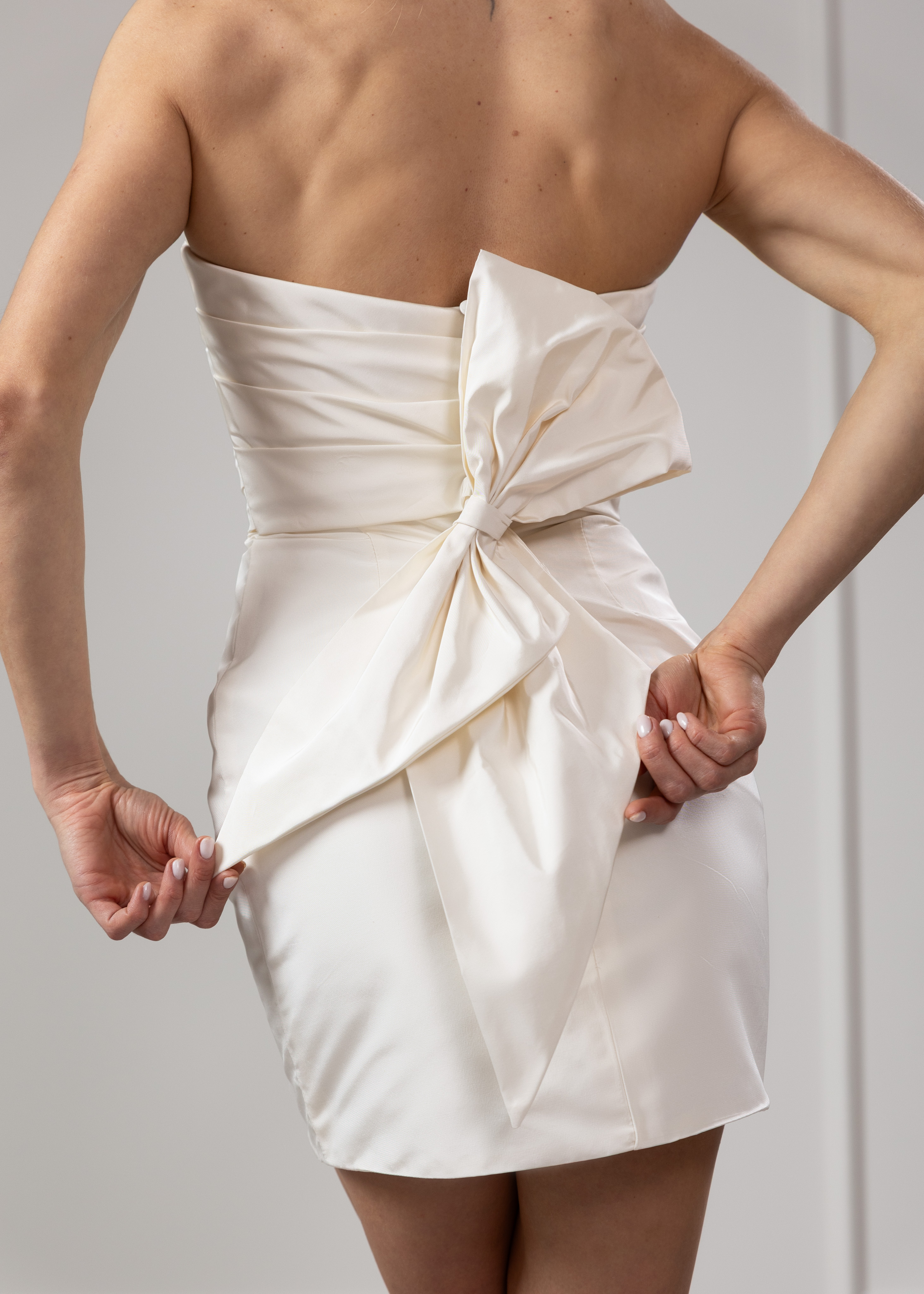
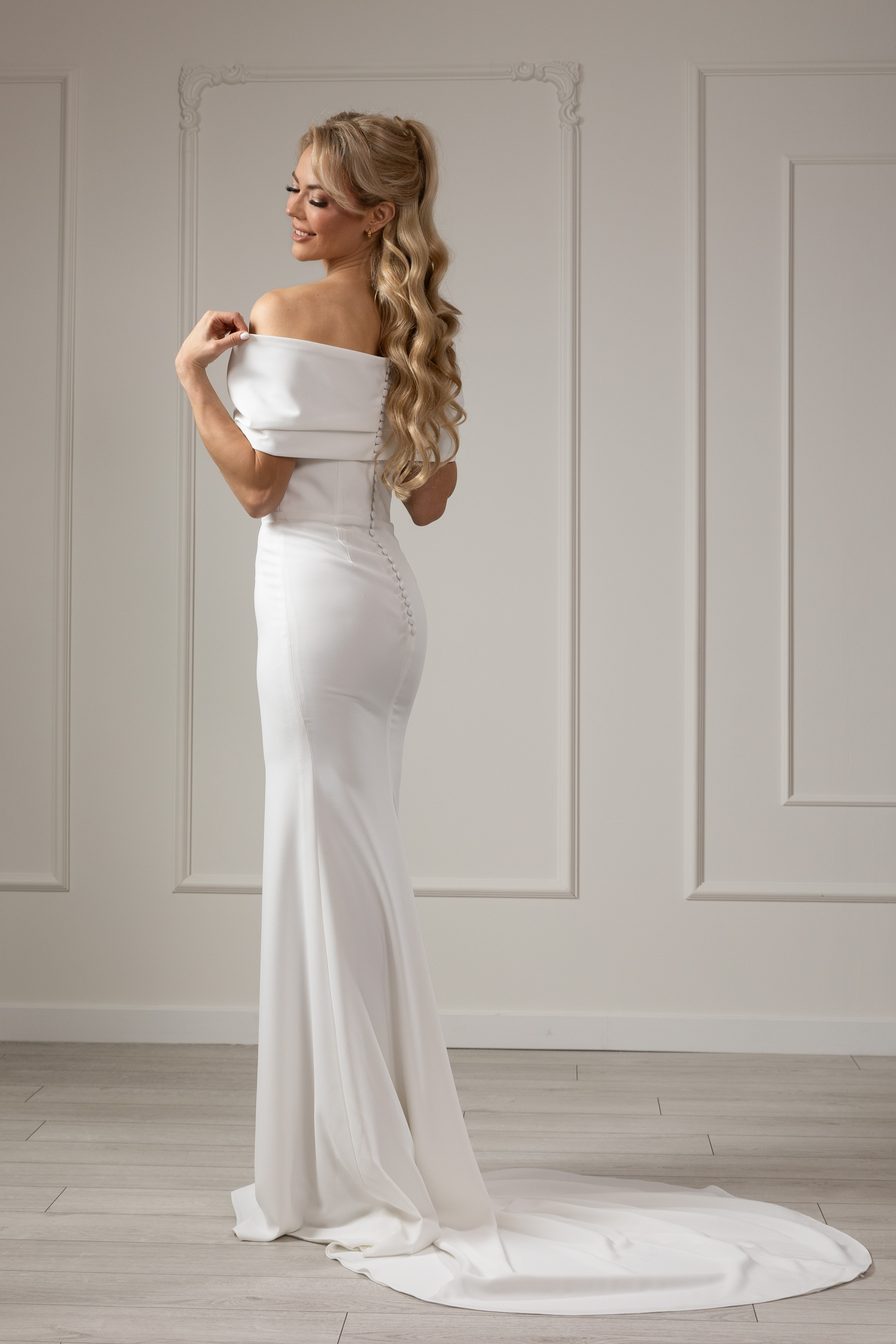
A cut tailored to the body will always look better than the most striking trend applied without reflection. Work on the waistline, shoulder line, and the balance between the top and bottom of the gown determines whether the bride feels at ease and looks natural. A well-designed wedding gown does not dominate the silhouette. It refines and enhances it.
The importance of high-quality fabrics
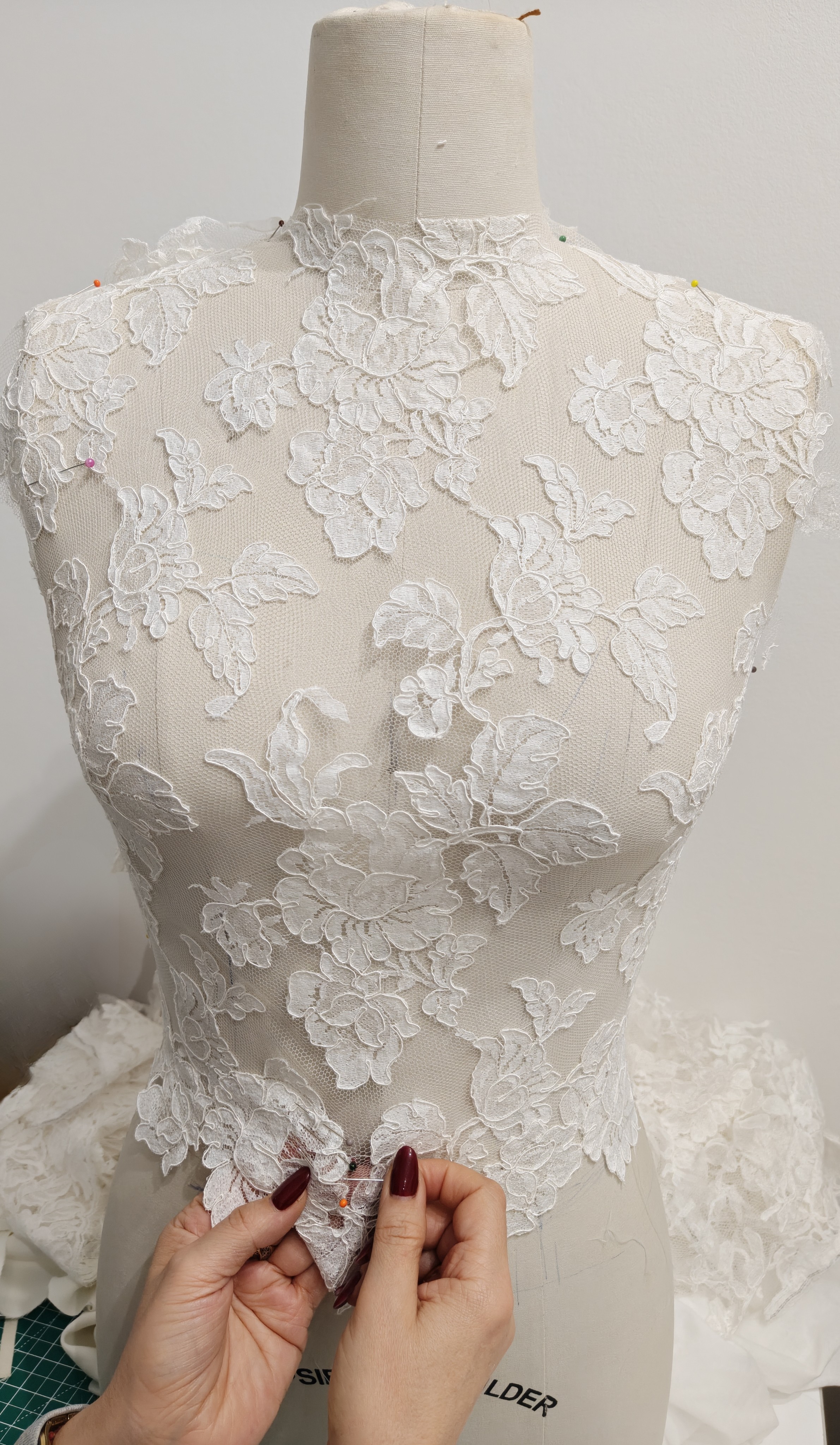
Fabric is one of the key elements that distinguishes timeless and luxury wedding gowns from one-season designs. Italian silk or genuine French lace age very differently from synthetic alternatives. They move with the body, drape beautifully in motion, and maintain their form throughout the day. It is the quality of the fabric that allows a gown to retain its value and beauty over the years, even across generations.
Elements of a wedding gown that stand the test of time
Classic silhouettes
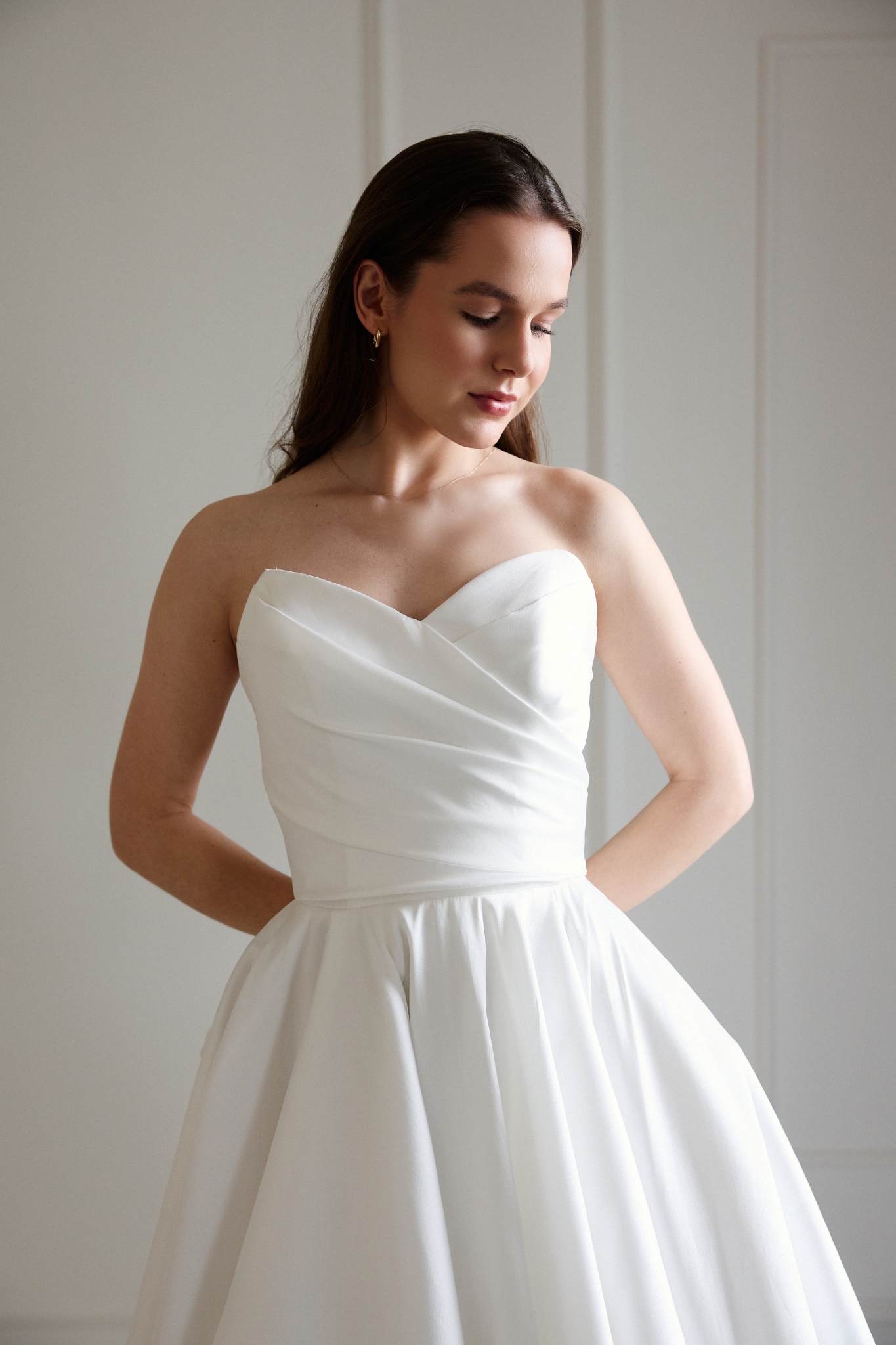
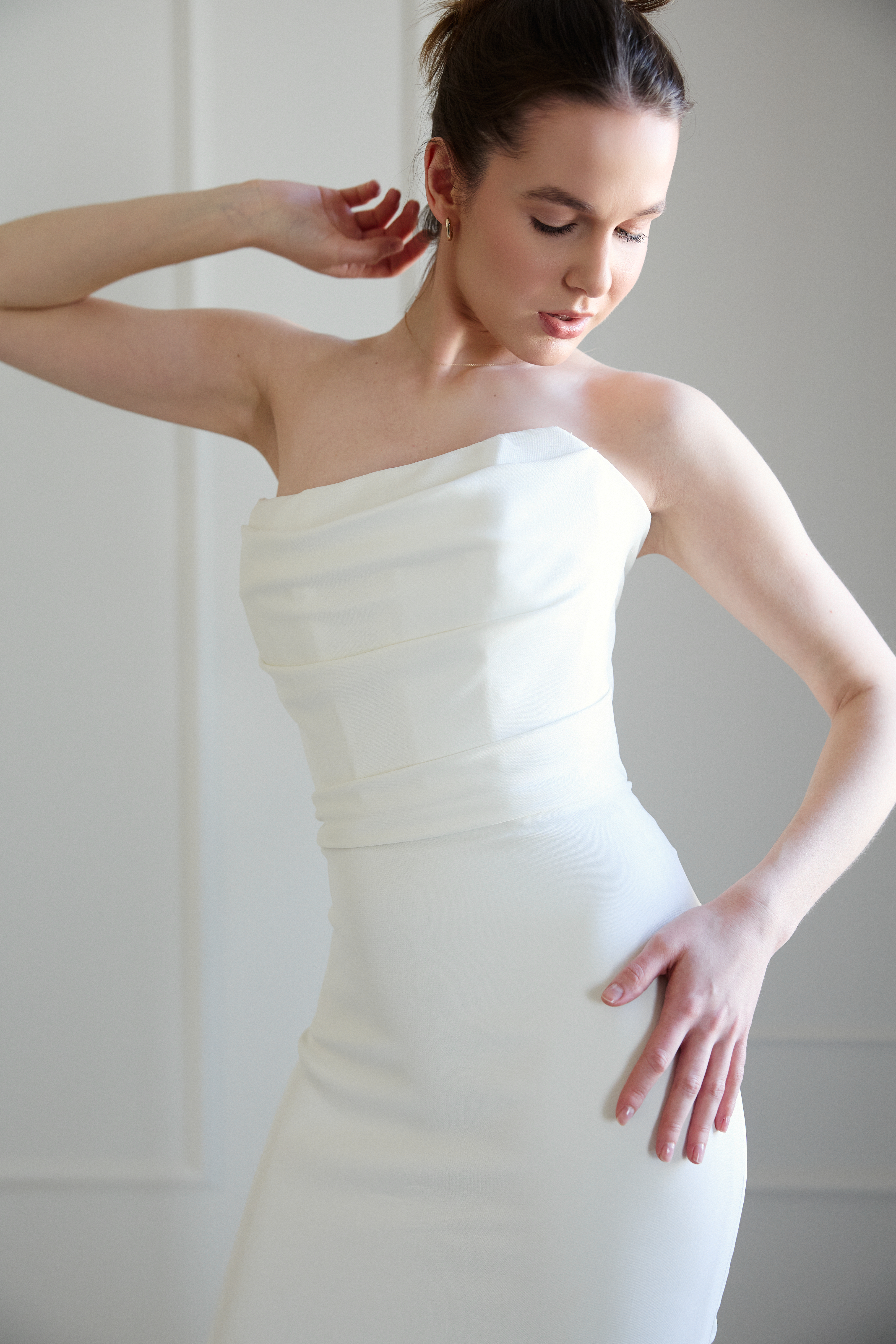
A-line, fitted gowns with structured corsetry, or simple, elegant forms are solutions that never lose relevance. Classic wedding gowns are not repetitive. Their strength lies in proportion and craftsmanship, not ornamentation.
Noble fabrics
Natural fabrics always defend themselves visually. They give the designer greater control over form and allow the creation of gowns that do not rely on excessive embellishment.
Hand-finished details
Hand-applied elements, embroidery, and lace details are not the result of mass production. They give the gown individuality and ensure the design remains unique.
Subtle detail instead of visual effect
Rather than dominant applications or excessive decoration, value increasingly lies in details revealed up close. This approach allows the creation of gowns that do not age visually.
Bridal trends that disappear after one season
Overscaled forms
Extreme volumes and exaggerated proportions quickly anchor a gown in a specific moment in fashion. They may be visually striking at first glance, but they are strongly seasonal and, after a few years, easy to identify as a trend of a past era. Overscaled forms often dominate the silhouette instead of enhancing it. In practice, they also affect comfort, limiting freedom of movement and making the gown less responsive to the body.
Extreme cut-outs and transparency
Designs created purely for visual effect rarely stand the test of time. Excessive transparency, very deep cut-outs, or heavily exposed structural lingerie quickly lose their freshness and, over time, can feel out of place for the nature of the ceremony.
In practice, such designs easily cross the line between lightness and lack of elegance. Instead of enhancing the silhouette, they expose it too directly, which in the context of a wedding can feel inappropriate or lacking refinement.
There is also the issue of construction. Deeply cut cups, exposed necklines, and insufficient support prevent the bust from sitting naturally and require constant adjustment. These designs are uncomfortable, difficult to wear for many hours, and impractical if the gown is meant to accompany the bride throughout the entire day and night.
From atelier experience, designs with more thoughtful proportions and restraint better combine femininity with elegance, allowing the bride to feel confident, natural, and aligned with the significance of the occasion.
Details designed only for the photo
Gowns created with a single photographic moment in mind often lose their impact in reality. Bridal fashion is increasingly moving away from designs that look good only on Instagram.
Bridal fashion, price, and quality
It is also worth being aware that a high price does not always go hand in hand with fabric quality. On the market, there are gowns priced at a premium yet made from polyester or synthetic blends that merely imitate noble fabrics. Only close contact with the design reveals what the gown is truly made of and how it has been constructed.
This is why knowledge and the ability to ask the right questions during the selection process are essential. In our other blog articles, we explore in more detail the differences between fabrics such as mikado or genuine French lace, as well as the most common mistakes made when choosing a wedding gown. These details determine whether a design is only visually striking at first glance or truly retains its value over time.
Made-to-measure wedding gowns as an alternative to trends
The process of creating a made-to-measure wedding gown
Creating a wedding gown within an atelier setting allows for a design based on the real needs of the silhouette, not a predefined template. The process includes consultations, design, fittings, and refinements that result in a cohesive and fully developed form.
The difference between a ready-made gown and an individual design
Ready-made models almost always impose compromises. They are created according to averaged proportions and standard patterns that rarely fully correspond to a specific body. Even after alterations, they remain adapted designs rather than ones created from the ground up.
A made-to-measure wedding gown is developed from the first sketch with a specific person in mind - her proportions, aesthetic, and way of moving. Construction, line, and fabric are selected individually, without compromising on quality or form.
The difference is visible not only on the wedding day, but also over time. Custom-made designs age more slowly visually because they are not dictated by seasonal trends or mass production. These are gowns that, years later, still look natural, cohesive, and refined.
Conscious bridal choices - a shift that is only just beginning
Clients visiting bridal boutiques are becoming increasingly aware of their choices. More often, they ask about quality, construction, and individuality, although for many this is still a new way of thinking about bridal fashion.
In summary, fashion fades, decisions remain. Choosing a wedding gown is not only about the aesthetics of one day, but also about how we will see ourselves in photographs years later. At our bridal atelier in Warsaw, we believe that the best designs are those that do not need to prove their relevance through trends.