Wedding Dress in Summer vs Winter - How to Choose Fabrics for the Season
Choosing a wedding dress is a decision that requires not only a sense of style, but above all an understanding of fabrics.
It is the fabric that determines how the dress works on the body, how it reacts to temperature, and how it behaves over many hours of wear. In practice, this is often a more important choice than the cut itself.
A wedding dress should not only look good in photos, but also genuinely support the bride’s comfort - both in full sun and in a warm, enclosed venue.
Wedding Dress for Summer - Which Fabrics Work Best
In summer, one factor matters most: how the fabric responds to heat.
Natural silk remains unmatched here. It is a fabric that breathes, wicks away moisture, and provides a distinct cooling sensation on the skin. Unlike synthetics, it does not trap heat, allowing for real comfort even in high temperatures.
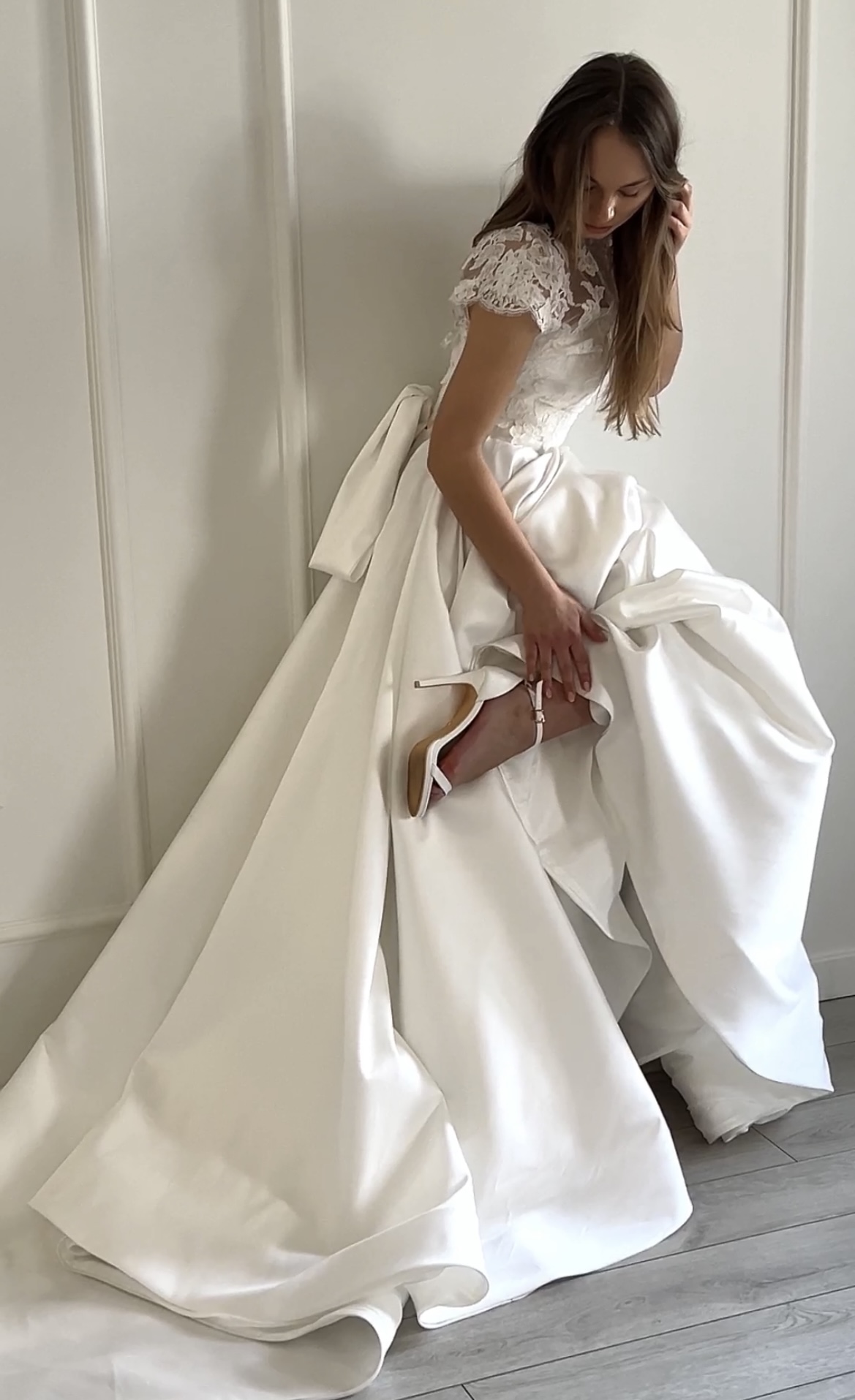
The second aspect is weight. Silk dresses can be lighter by several kilograms compared to polyester designs. This difference is not just technical - it directly affects how you move, how you feel, and how much energy you have throughout the day.
In our atelier, we work with natural silks because we know that in summer conditions, it is not just a matter of luxury, but above all functionality.
Wedding Dress for Winter - What to Consider
In winter, many people instinctively look for “warmer” fabrics, but in practice, the situation is different.
Silk also performs exceptionally well in winter. Thanks to its thermoregulating properties, it does not cool the body while also preventing overheating - which is crucial during a wedding reception. It is worth remembering that wedding venues are usually well heated, and movement and emotions further increase the perceived temperature.
Polyester dresses, even in winter, often cause discomfort - they trap heat and do not allow the skin to breathe, which quickly becomes noticeable.
Instead of switching to heavier fabrics, a better solution is to work with layers.
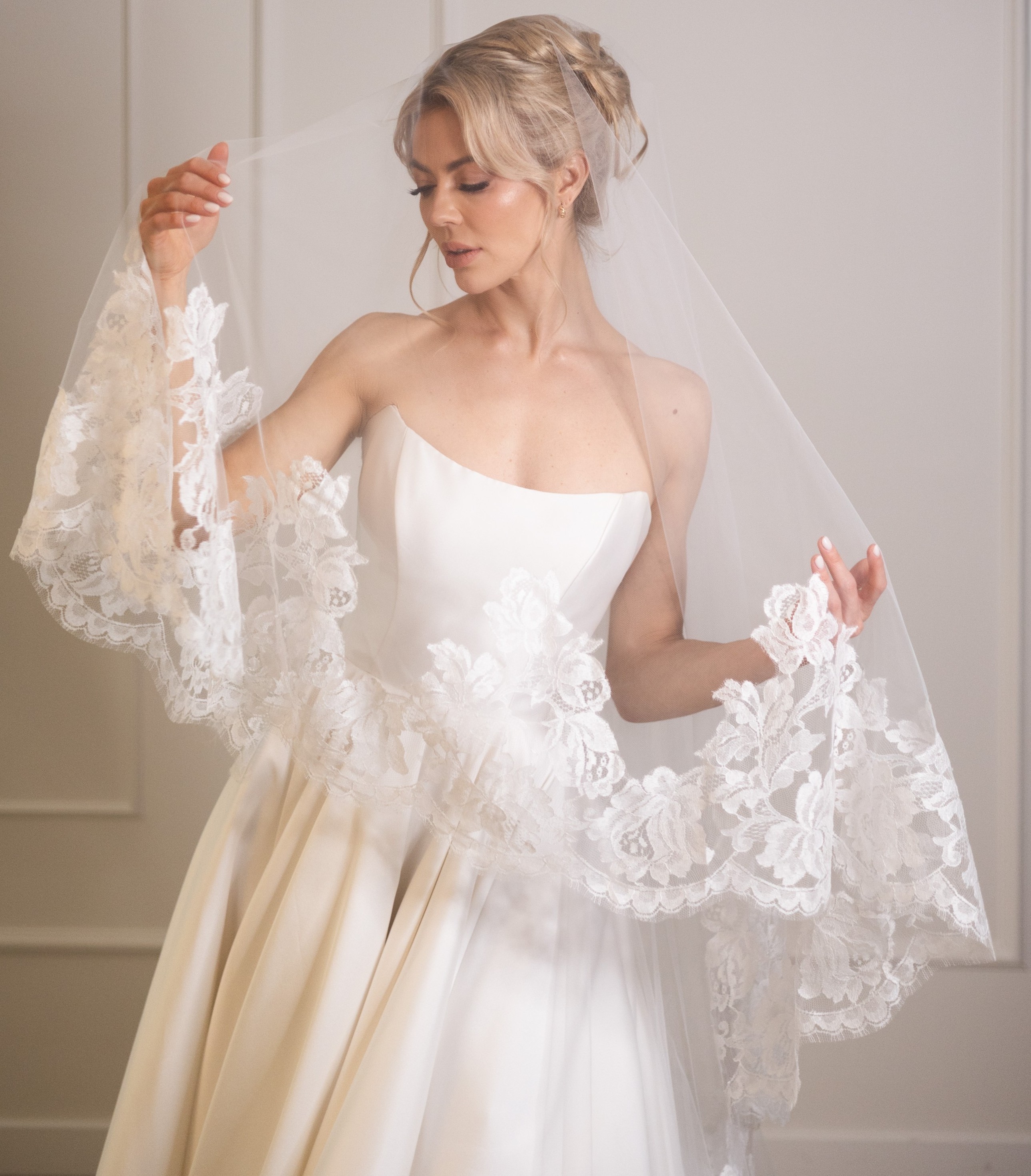
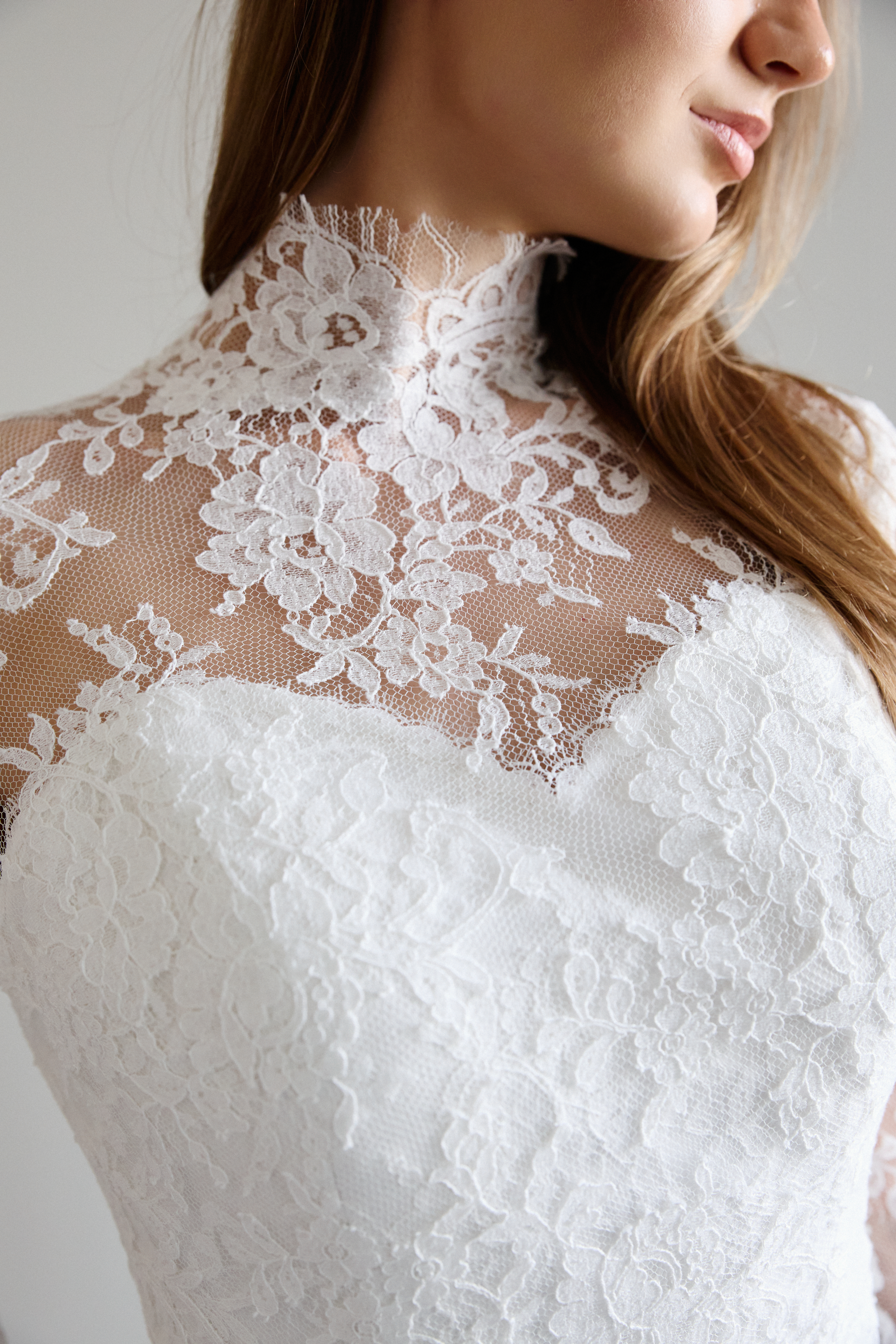
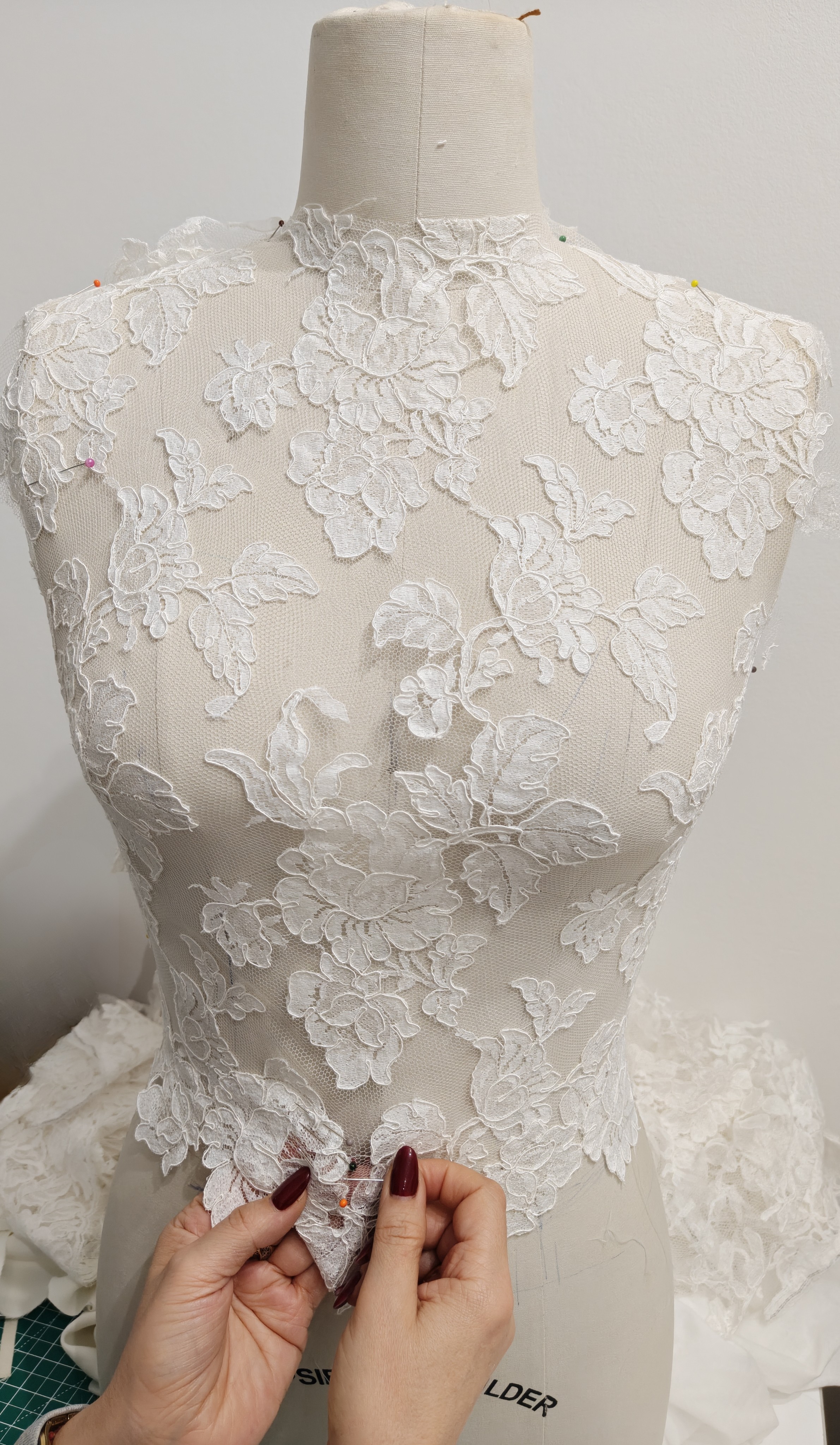
Boleros are one of the most functional elements here. They allow you to adapt the look to different moments of the day and changing conditions - from the ceremony to the reception.
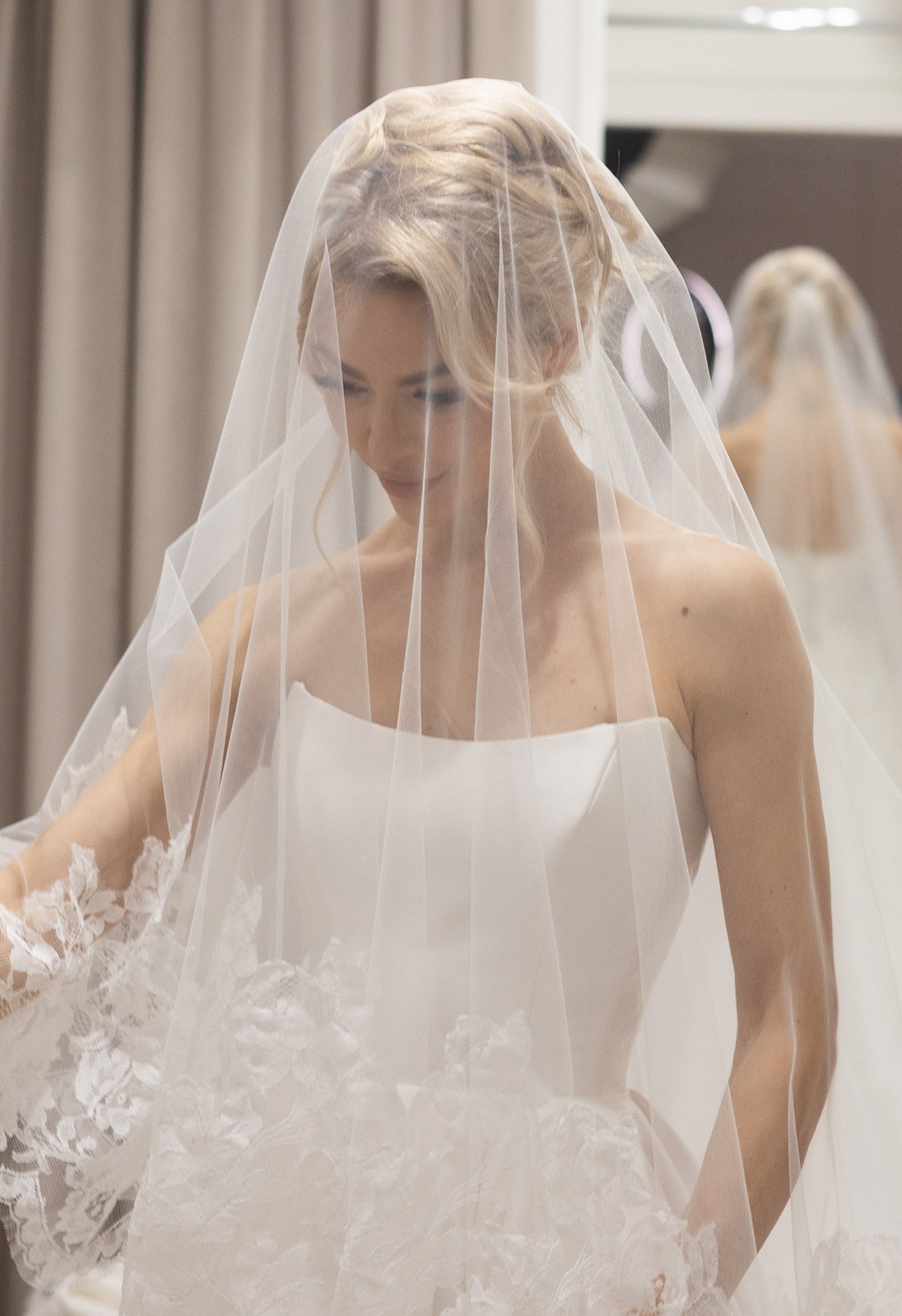
In our atelier, we create boleros by hand using original French lace, including lace from Sophie Hallette. This is not just an accessory - it is a structural element of the look that provides flexibility and elevates the overall quality.
The Most Common Mistakes When Choosing a Dress for the Season
The most common mistake is ignoring fabric composition.
Polyester, regardless of the season, does not work well with body temperature. In summer, it leads to overheating. In winter, it also does not solve the problem, as in enclosed spaces it simply becomes too heavy and non-breathable.
The second mistake is thinking in terms of “season = thickness of the dress.” This simplification does not translate into real comfort.
What matters far more is how the fabric breathes, how it responds to temperature changes, and whether the styling allows for layering adjustments.
In summary, choosing a wedding dress for the season is in practice about selecting the right fabric, not just the aesthetic.
Natural silk works well both in summer and winter - not by coincidence, but because of its properties. It is a solution that genuinely impacts comfort throughout the entire day.
At Viola Figura Atelier, we work with fabrics consciously, designing dresses based on their properties, not just their appearance.
If you want to choose a dress that works as well as it looks, book an appointment at the atelier.