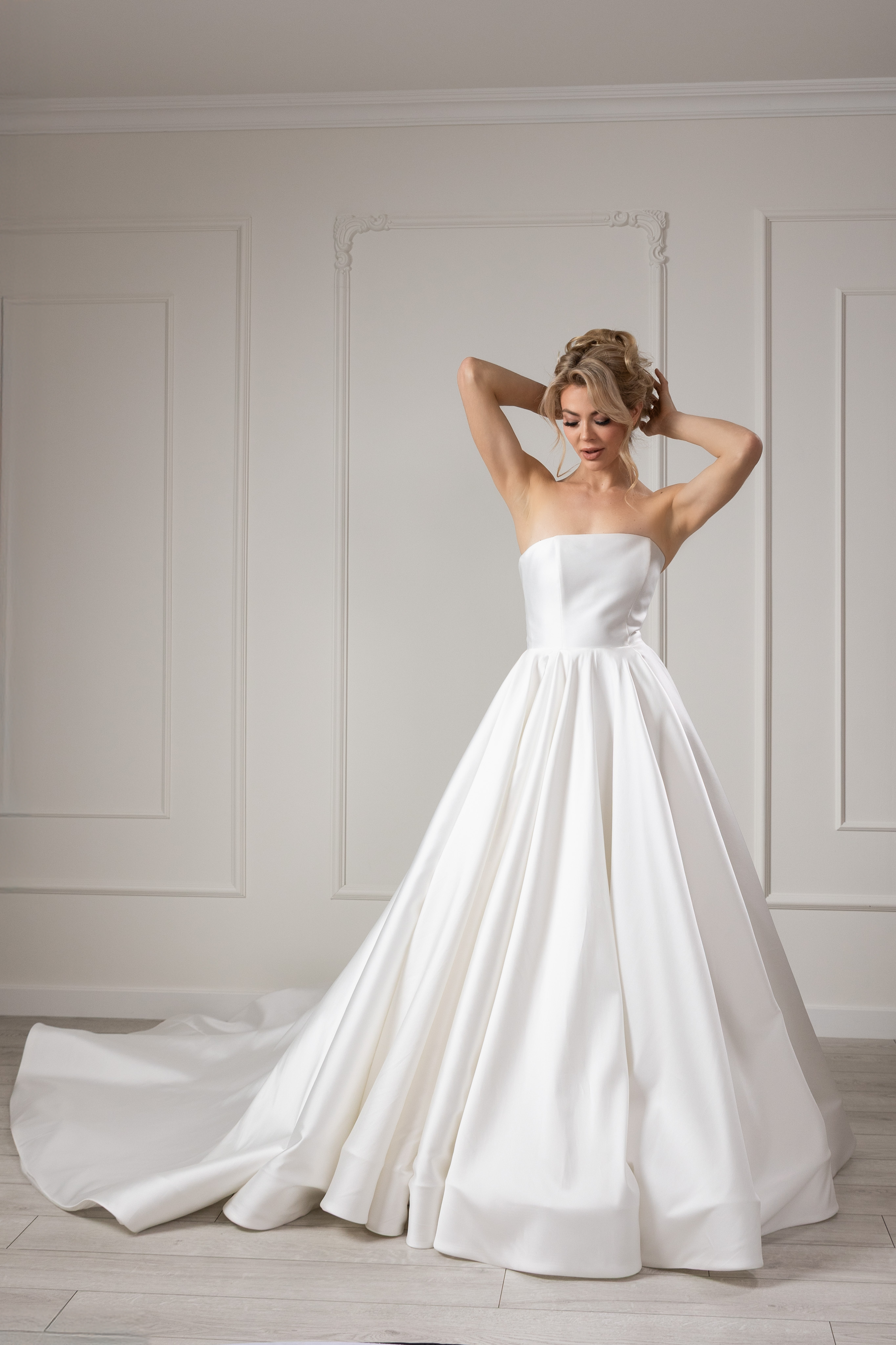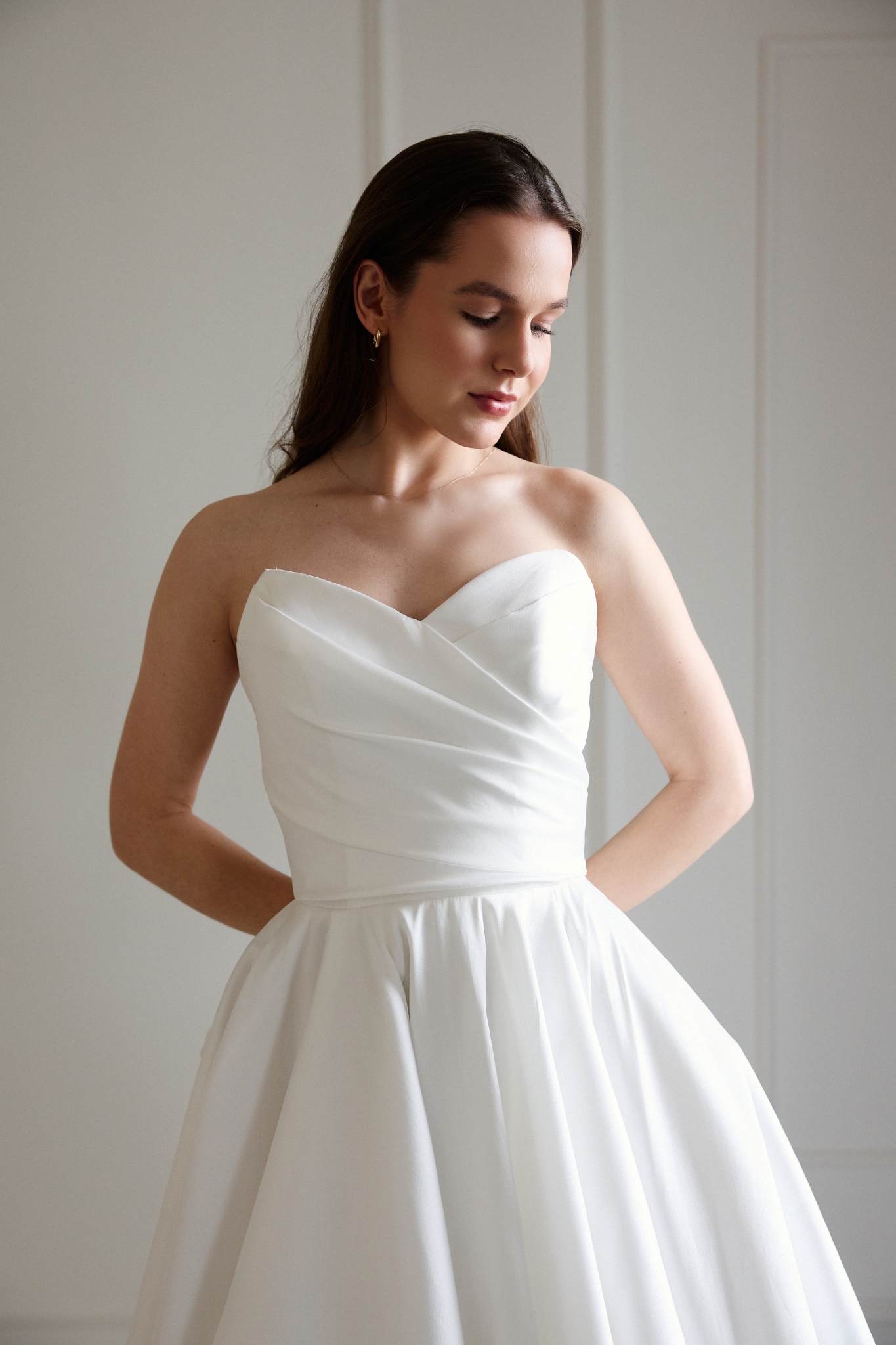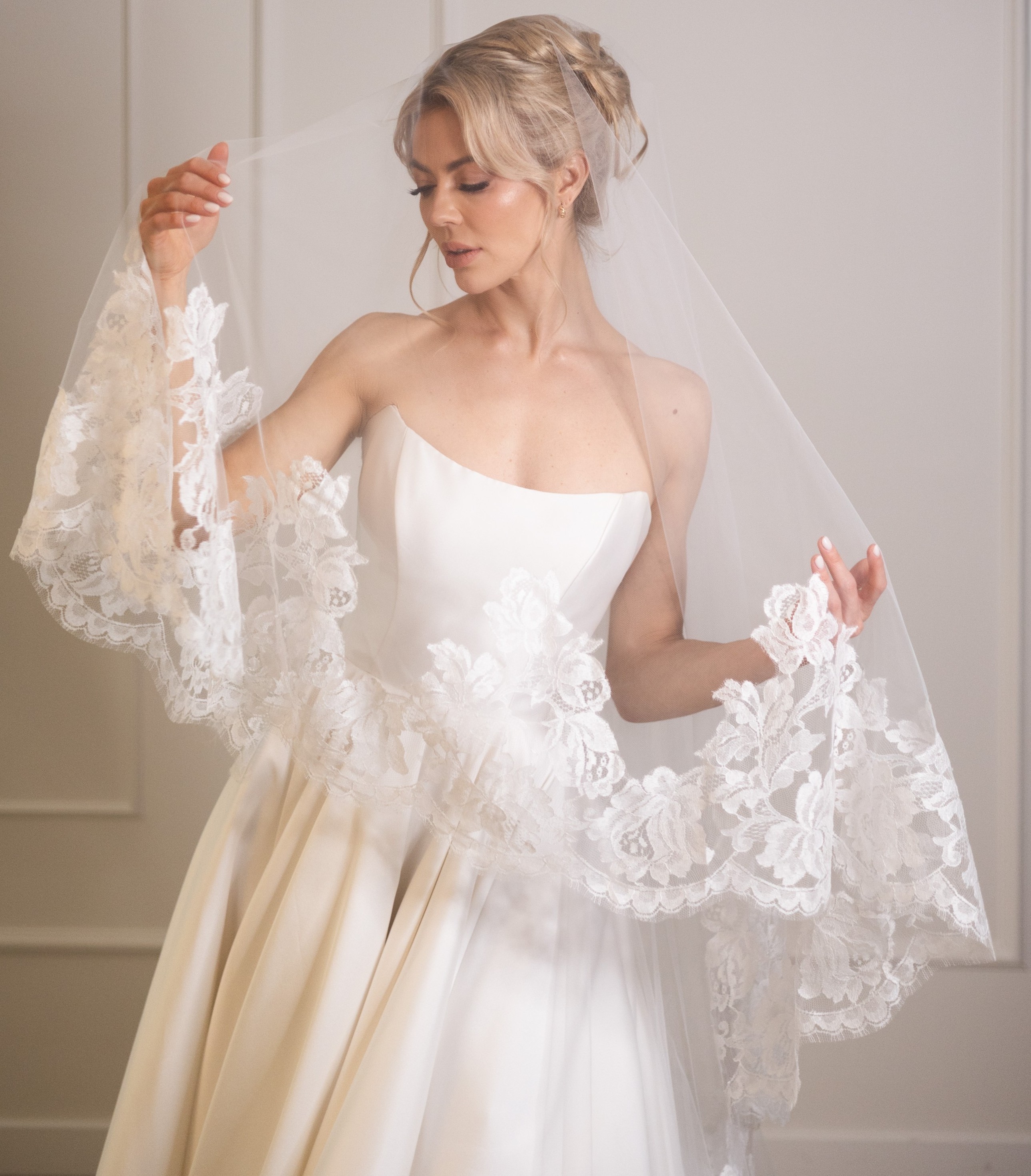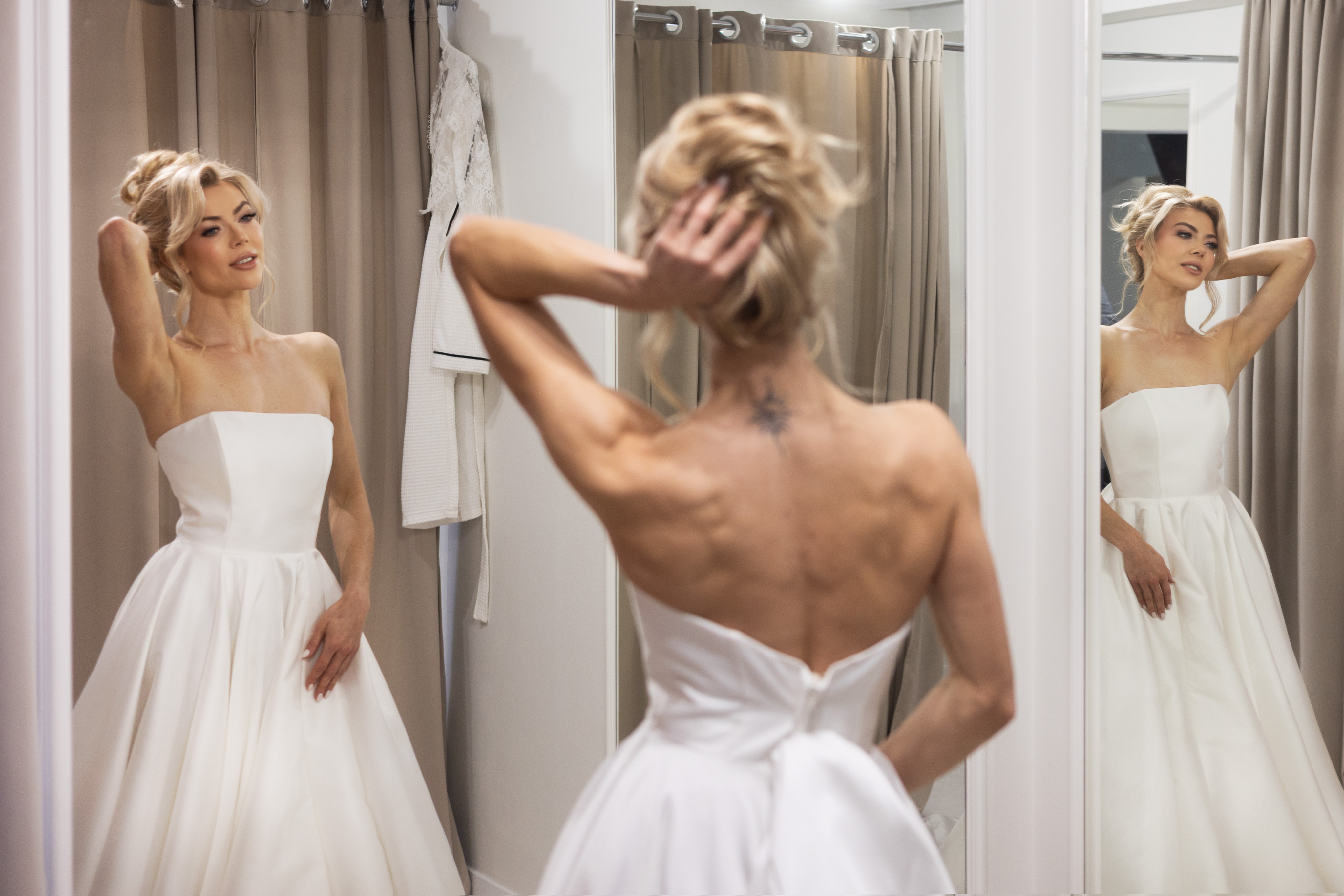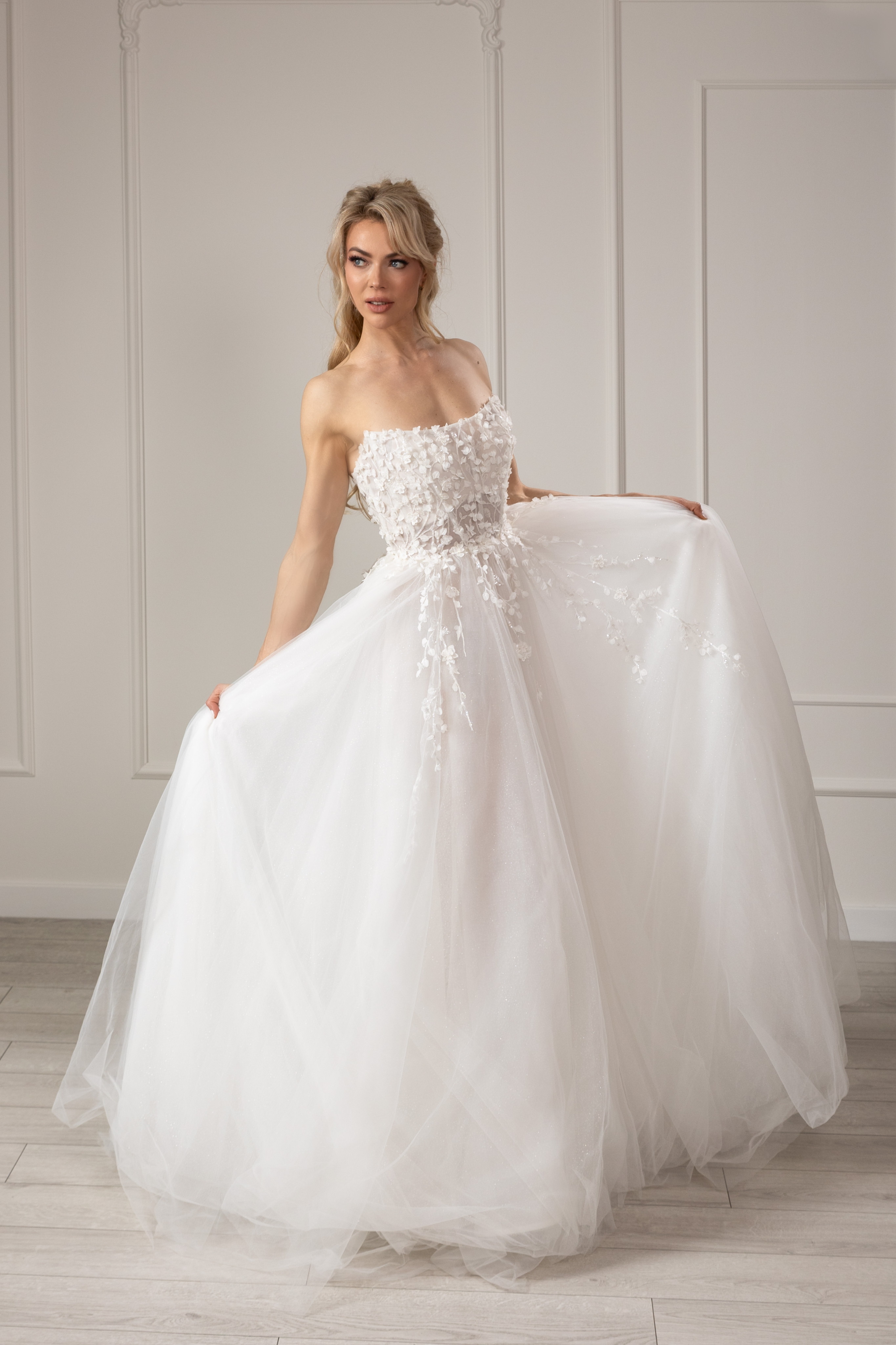
Lightness without losing structure. Construction in a modern wedding dress
How contemporary wedding dress construction combines lightness with precision of form
In wedding dress design, there is still a common belief that lightness and structure are mutually exclusive.
A lightweight gown is often associated with softness and a lack of structure, while a design with clear architectural form is linked to heaviness and rigidity. In reality, these are simplifications that do not reflect the true role of construction or the importance of conscious fabric selection.
In our atelier, made-to-measure wedding dresses are designed from the inside out. We treat structure as the foundation of the entire process, not an addition to visual effect. The outer layer is a result of this internal architecture. Lightness is not the opposite of construction, but the outcome of its precise planning. The way a gown is built determines its stability, proportions, and comfort, regardless of how delicate it appears.
What does lightness mean in a wedding dress?
Lightness has two dimensions: physical and structural.
The first refers to actual weight. The difference between a gown made from multilayered polyester and one created from natural silk can be several kilograms. In practice, this significantly affects how the dress feels over many hours. Weight influences posture, movement, and fatigue at the end of the day. A gown that is three or four kilograms heavier impacts the body in ways not visible in photos but clearly felt.
The second dimension relates to construction and weight distribution. Even a relatively light gown can feel heavy if the weight is not properly balanced between the bodice and the skirt, or if the waistline lacks proper stabilization. Conversely, a more structured gown can feel light if its architecture is well integrated with the fabric and designed specifically for the body.
Lightness is therefore not just about fewer layers or lower weight. It is about a thoughtful relationship between weight, construction, and body proportions.
What is wedding dress construction?
Wedding dress construction is a system of elements responsible for maintaining form and proportions. It is not limited to the corset, although this is often a key component.
Construction includes an internal shaping base, carefully placed boning, stabilization of the waistline, reinforcement in key areas, and a lining designed to work with the outer fabric. The distribution of weight between the top and bottom of the gown is also essential, as it affects how the silhouette behaves in motion.
In made-to-measure gowns, construction is never generic. Each design requires an individual analysis of the body, fabric selection, and a clear understanding of what level of support is needed to achieve both stability and lightness.
Does a structured gown have to be heavy?
A structured wedding dress does not have to be heavy if its architecture is precisely designed. Excess weight often results from poor integration between layers, overly heavy components, or attempts to compensate for lack of structure with additional elements.
Modern tailoring techniques allow for the creation of thin yet stable bases that shape the body without adding unnecessary volume. A fine silk fabric placed on a well-designed structure can offer more control over the silhouette than a thick fabric without proper support.
The most refined designs are those where construction does not dominate visually, but ensures stability, proportion, and comfort. Its presence should not be felt as weight, but as confidence in the form.
The most common mistake when choosing a lightweight wedding dress
One of the most common mistakes is equating lightness with a complete lack of structure. Choosing a very delicate gown based only on how light it feels, without considering how it behaves in motion and over many hours, can lead to loss of proportion and the need for constant adjustments.
Light fabrics require a precisely designed base that works with them. Without it, the waistline may shift, the neckline may lose stability, and the weight may distribute unevenly. The gown may look beautiful when standing still, but lose control in movement.
In our atelier, every lightweight design includes a structure tailored to the specific silhouette and concept, because stabilization is not the opposite of lightness, but its condition.
Construction as the foundation of form
In design practice, lightness does not begin with choosing a thin fabric, but with creating a structure that defines proportions, stabilizes the waistline, and supports the neckline. When the base is developed with both the body and fabric in mind, the outer layer can remain delicate while the gown maintains its form throughout the day.
A well-designed wedding dress holds its shape without constant adjustment, maintains proportions in movement, and ensures stability over time because its construction is integrated from the very beginning.
In summary, lightness and construction are not opposites, but parts of the same system, whose quality becomes evident in wear. Their balance determines how the gown moves, how it fits the body, and how it feels over time.
This is what distinguishes an atelier from boutiques offering ready-made designs, where construction is often a compromise. In a modern atelier, form is not just a visual effect, but the result of precise and consistent design work.