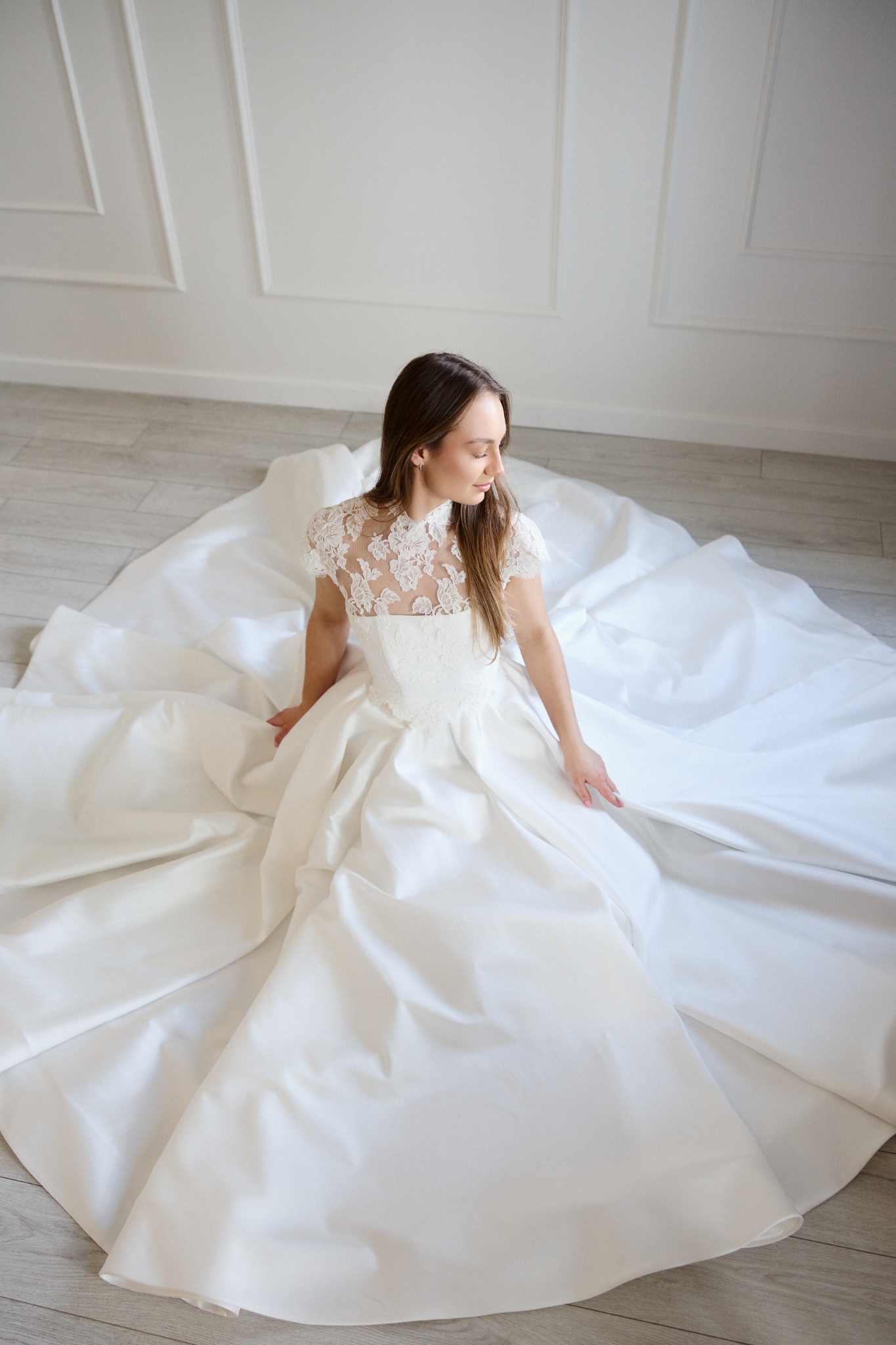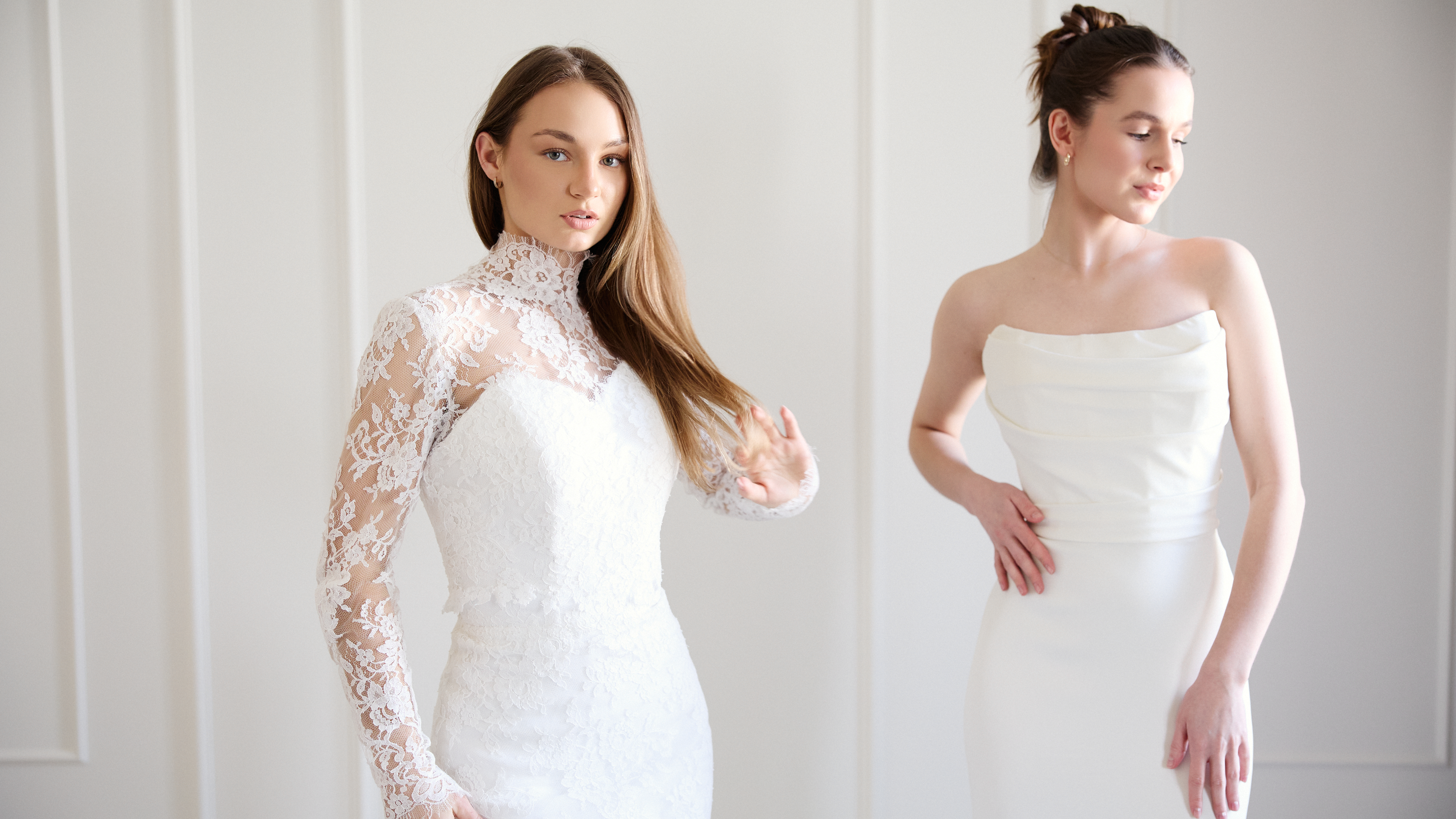
How to find Your wedding dress style when You like everything
If you have hundreds of saved dresses on your phone and each one looks perfect, you are most likely in “I like everything” mode.
That is normal until the moment of fittings and decision-making arrives. That is when the problem appears. When everything is good, no option truly stands out.
What it really means when you like everything
It does not always mean a lack of taste. More often, it means a lack of a filter.
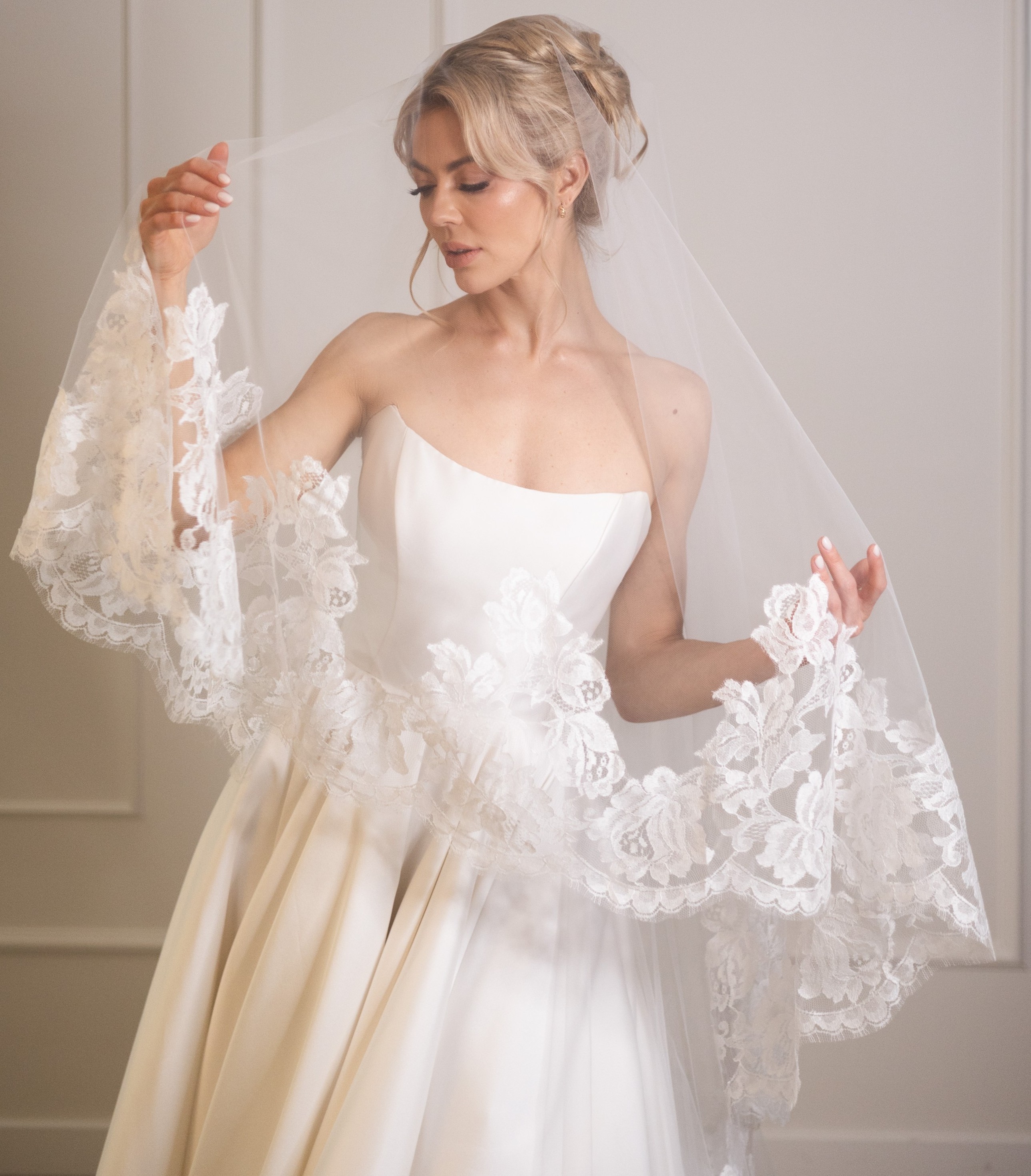
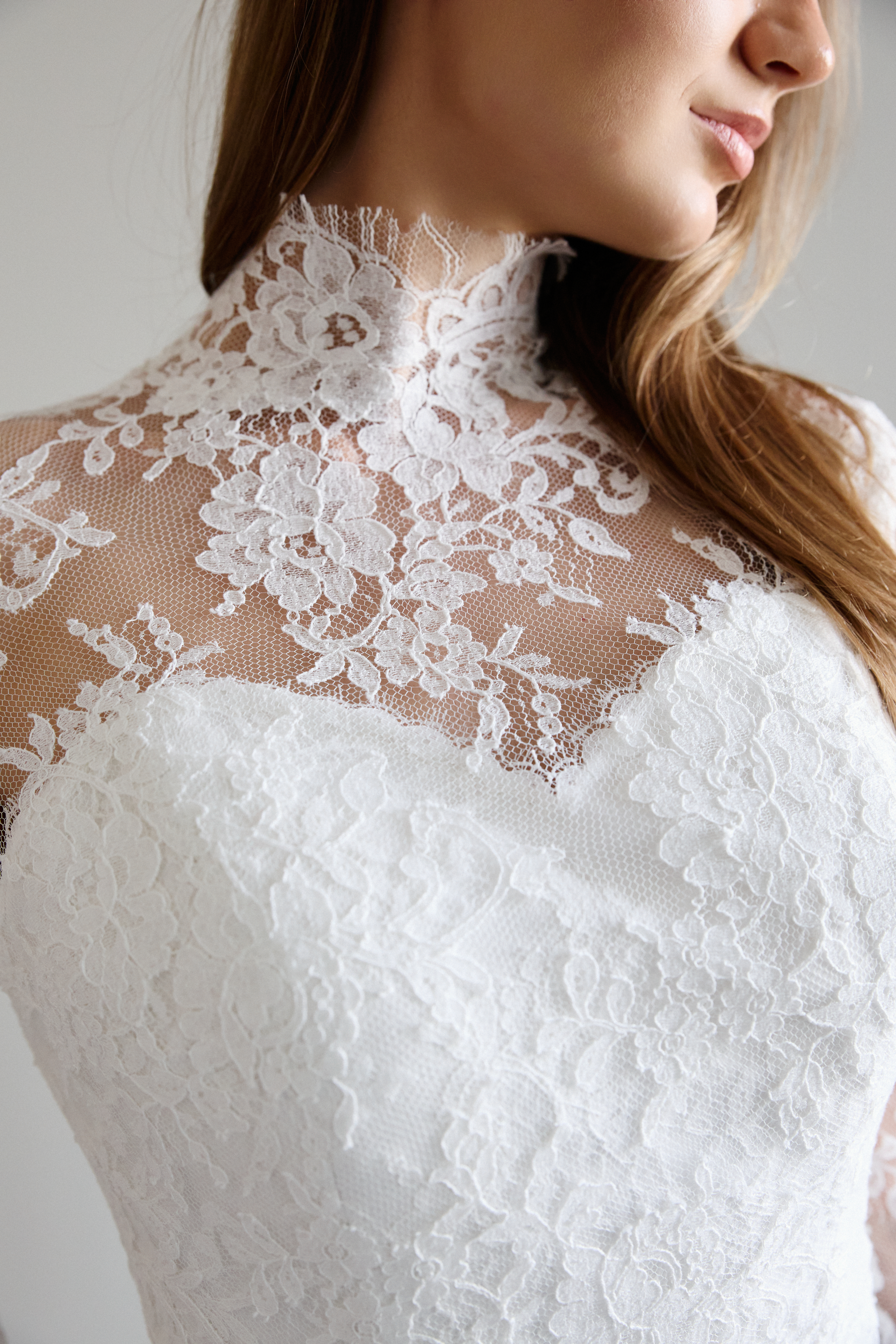
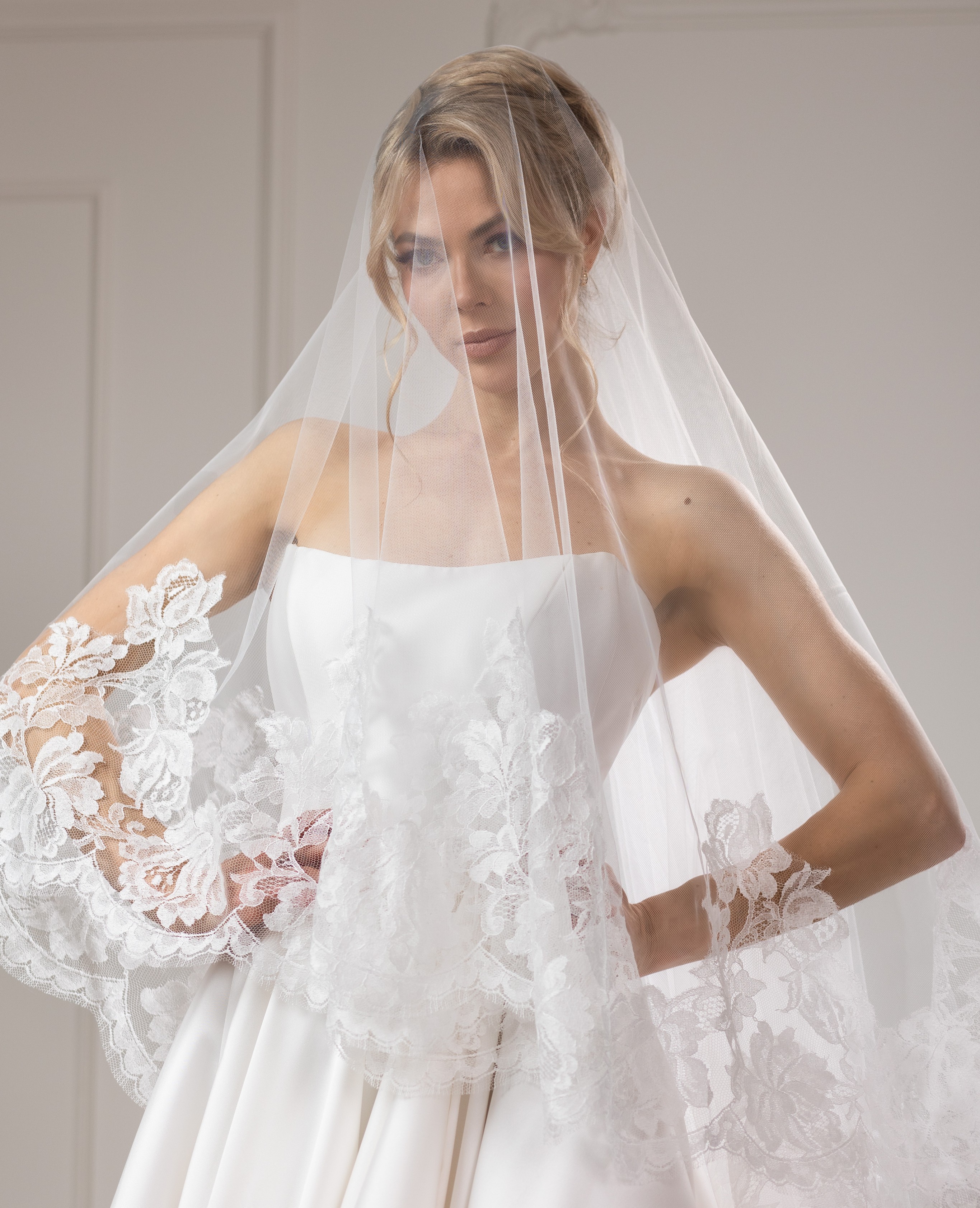
You may be reacting to the photo effect rather than the real look of the dress. Inspirations are photographed in perfect conditions, with refined lighting and styling. You may be drawn to individual elements such as the neckline, lace, or sleeves, but not necessarily to the entire silhouette as a cohesive form.
Mood variability also plays a role. One day you lean toward minimalism, another toward more decorative forms. That is not a problem. The problem begins when you cannot choose one direction.
The difference between inspiration and fit
Inspiration is an image. Fit is reality.
In a photo, you see the final result shaped by many factors. Hairstyle, makeup, the model’s figure, posture. In practice, the same dress can behave completely differently on your body.
It may not drape as expected. It may highlight areas you would prefer to balance. It may also restrict movement, which becomes clear during fittings.
A fitting example. A dress looks perfect in photos, but in reality requires constant adjustment of the straps. A small detail that becomes a real issue after a few hours.
The influence of social media
Algorithms show you what you save. If you save everything, you get a mix of styles without any hierarchy.
Minimalism, boho, glamour, dresses with trains, light forms, heavier constructions. Everything starts to look equally attractive, but less defined.
Additionally, social media amplifies the image effect. A dress is meant to look good in photos, not necessarily to function in movement, during dancing, or over many hours of wear.
Why “I like it” is not enough
“Pretty” alone is not a selection criterion. You need to evaluate two areas.
Aesthetics and comfort.
A dress may look great, but if it restricts movement, feels tight, or forces an unnatural posture, it is not the right choice. Comfort affects how you move and how you feel throughout the day.
Photo and reality.
Your proportions differ from a model’s. Height, torso length, shoulder position, bust, and hips all influence how a dress fits. A trend does not equal a good fit.
Otherwise, it is easy to make a random choice. A dress looks good in one shot but does not perform in real use.
The starting point: you, not the dress
Everyday style
Start with yourself. What feels natural to you on a daily basis.
If you choose simple forms and muted colors, a highly decorative construction may feel unfamiliar. If you like bold elements, you may feel comfortable with stronger details, but still within a cohesive silhouette.
Personality and presence
The dress should align with your energy. Two people may look good in a similar design, but only one will feel fully at ease in it.
Some women feel best in simplicity, others in more expressive forms. It is not about better or worse, but about alignment.
What you definitely do not want
Narrowing your options starts with elimination.
Write down a few things that are out. For example: no corset, no very wide skirt, no specific style. This is often more helpful than a list of inspirations.
Match the dress to the nature of the wedding
Location and type of ceremony
The dress should work with the setting.
A garden wedding has a different character than a church ceremony or a modern venue. A light dress may look great in photos but behave very differently in windy conditions.
Scale of the event
In larger spaces, silhouette clarity matters. For more intimate ceremonies, more subtle solutions work better.
Fittings – how not to get even more lost
Do not try everything
Too many dresses make the decision harder. A few styles per visit are enough to see the differences.
Choose a few directions
Instead of everything at once, choose 2 or 3 directions. One close to your everyday style, one more expressive, and one experimental.
Observe your reactions
Pay attention to your body. Can you move freely, sit, breathe. Do you feel natural, or more like you are wearing a costume.
How to recognize the right direction
Three signals appear.
Comfort.
Not only standing, but also in movement.
Consistency.
The dress fits you, not just looks good.
No costume effect.
You see yourself, not styling.
The most common mistakes
Too many external opinions.
Choosing based on trends.
Ignoring comfort.
Each additional opinion complicates the decision instead of simplifying it.
How to narrow it down to one dress
Instead of adding more options, eliminate.
Choose 2 or 3 key features that matter most to you. It could be the silhouette, the type of fabric, or the finishing. Let the rest go consciously.
It is not about finding the prettiest dress. It is about finding the one that aligns with you and works in real life, not just in a photo.
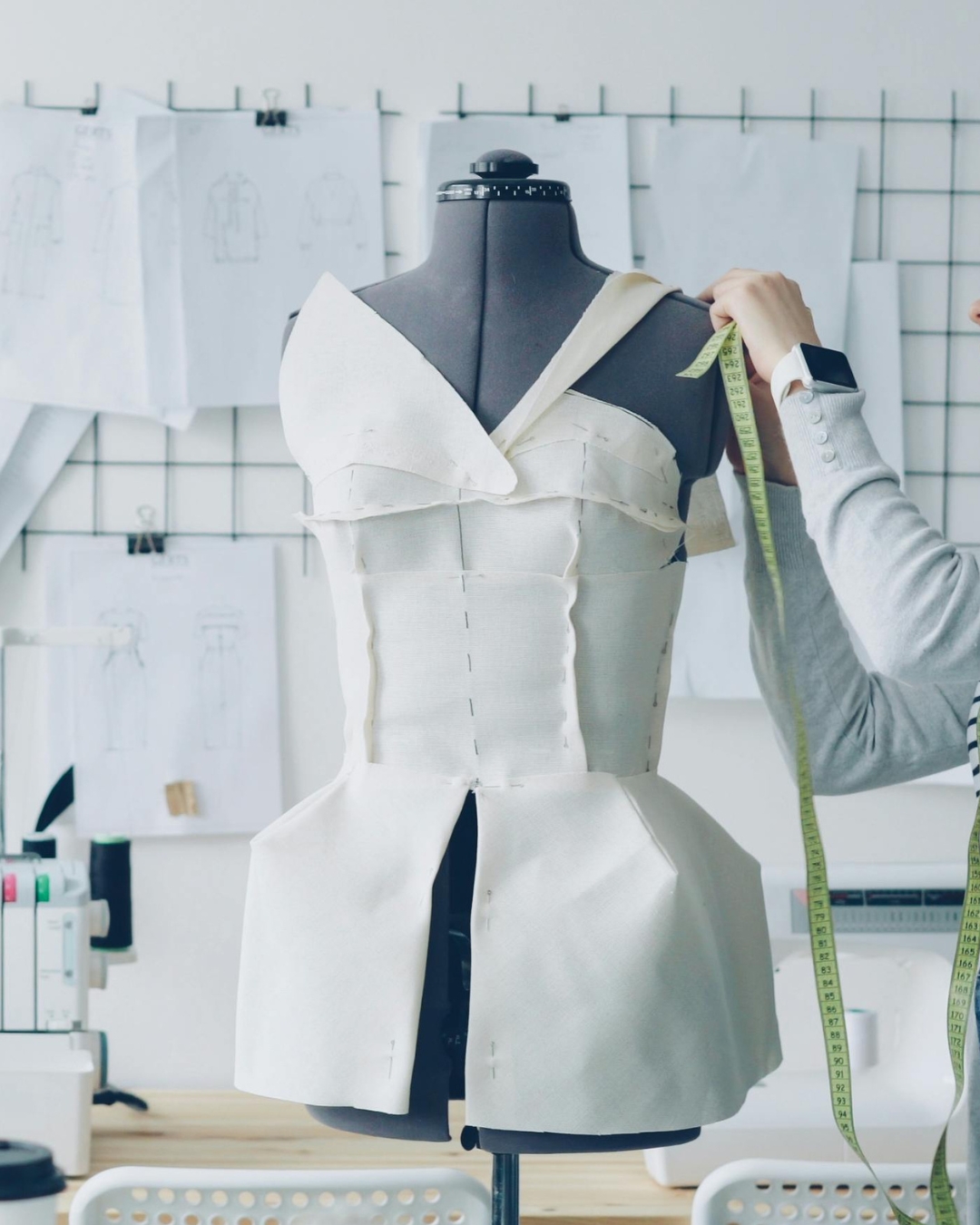
At Viola Figura, the entire process starts with understanding you, not browsing dresses. This way, instead of trying everything, we focus on a few well-chosen directions that make sense for your body, style, and the nature of your wedding.